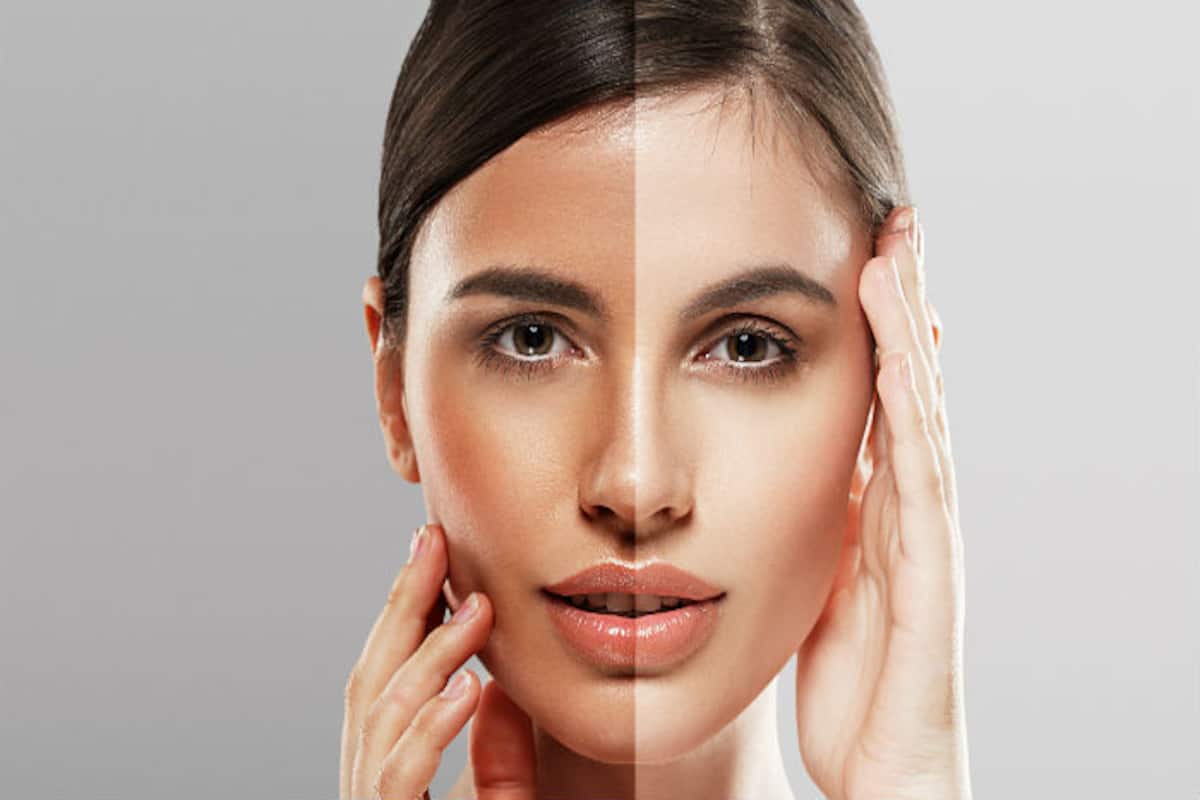
 |
| The Ultimate Guide to Skin Lighter |
In today’s beauty-conscious world, achieving radiant, even-toned skin is a goal for many. The term "Skin Lighter" has become a buzzword in the skincare industry, representing the desire for a brighter, more luminous complexion. However, with the rise of skin-lightening products and treatments, it’s crucial to understand the science, risks, and safe alternatives to achieve your skincare goals.
This comprehensive guide will explore everything you need to know about skin lightening, from the science behind melanin production to natural remedies, safe skincare practices, and the potential risks of harmful chemicals. Whether you’re looking to address hyperpigmentation, acne scars, or simply achieve a more even skin tone, this article will provide you with actionable insights and tips.
Table of Contents
- Understanding Skin Lightening: What Does It Mean?
- The Science Behind Skin Pigmentation
- Common Skin Lightening Ingredients: Benefits and Risks
- Natural Remedies for Skin Lightening
- The Role of Sun Protection in Skin Lightening
- The Dangers of Harmful Skin Lightening Practices
- How to Choose Safe and Effective Skin Lightening Products
- FAQs About Skin Lightening
- Conclusion: Embrace Your Skin’s Natural Beauty
Understanding Skin Lightening: What Does It Mean?
Skin lightening, also referred to as skin brightening or skin whitening, is the process of reducing melanin production in the skin to achieve a lighter complexion. Melanin is the pigment responsible for the color of our skin, hair, and eyes. While some people seek skin lightening to address specific concerns like hyperpigmentation, dark spots, or uneven skin tone, others may pursue it for cultural or aesthetic reasons.
It’s important to note that skin lightening is not about changing your natural skin tone entirely but rather enhancing your skin’s radiance and addressing discoloration. The key is to approach skin lightening safely and responsibly, avoiding harmful chemicals and practices that can damage your skin and overall health.
The Science Behind Skin Pigmentation
What Is Melanin?
Melanin is produced by cells called melanocytes in the epidermis, the outermost layer of the skin. There are two main types of melanin:
- Eumelanin: Responsible for brown and black pigmentation.
- Pheomelanin: Responsible for red and yellow pigmentation.
The amount and type of melanin in your skin are determined by genetics, but external factors like sun exposure, hormones, and skin injuries can also influence melanin production.
How Does Skin Lightening Work?
Skin lightening agents work by targeting melanin production through various mechanisms:
- Inhibiting Tyrosinase: Tyrosinase is an enzyme crucial for melanin synthesis. Ingredients like kojic acid and arbutin inhibit this enzyme, reducing melanin production.
- Exfoliation: Removing dead skin cells through exfoliation can help fade dark spots and reveal brighter skin.
- Antioxidants: Ingredients like vitamin C neutralize free radicals and reduce oxidative stress, which can contribute to hyperpigmentation.
Common Skin Lightening Ingredients: Benefits and Risks
Safe and Effective Ingredients
- Vitamin C: A powerful antioxidant that brightens skin and reduces dark spots.
- Niacinamide: Improves skin texture and reduces hyperpigmentation.
- Kojic Acid: Derived from fungi, it inhibits tyrosinase and lightens dark spots.
- Alpha Arbutin: A natural derivative of hydroquinone that gently lightens skin.
- Licorice Root Extract: Contains glabridin, which reduces melanin production.
Harmful Ingredients to Avoid
- Hydroquinone: While effective, prolonged use can cause ochronosis (blue-black discoloration) and other side effects.
- Mercury: Found in some illegal skin lightening products, it can cause severe health issues, including kidney damage and neurological problems.
- Steroids: Can lead to skin thinning, acne, and other complications.
Natural Remedies for Skin Lightening
DIY Masks
- Yogurt and Lemon Mask: Yogurt contains lactic acid, which exfoliates the skin, while lemon is rich in vitamin C.
- Turmeric and Honey Mask: Turmeric has anti-inflammatory properties, and honey is a natural humectant that moisturizes the skin.
Topical Applications
- Aloe Vera: Soothes and lightens the skin.
- Apple Cider Vinegar: Diluted ACV can help balance skin pH and reduce dark spots.
Diet and Hydration
- Vitamin-Rich Foods: Include fruits and vegetables like oranges, strawberries, and spinach in your diet.
- Hydration: Drink plenty of water to keep your skin healthy and glowing.
The Role of Sun Protection in Skin Lightening
Sun exposure is one of the leading causes of hyperpigmentation. UV rays stimulate melanin production, leading to dark spots and uneven skin tone. To protect your skin:
- Use a broad-spectrum sunscreen with SPF 30 or higher daily.
- Reapply sunscreen every two hours when outdoors.
- Wear protective clothing, hats, and sunglasses.
The Dangers of Harmful Skin Lightening Practices
The desire for lighter skin has led to the use of unsafe products and practices, particularly in regions like Africa and Asia. Some of the risks include:
- Mercury Poisoning: Causes neurological and kidney damage.
- Steroid Abuse: Leads to skin thinning and systemic health issues.
- Ochronosis: A condition caused by hydroquinone, resulting in blue-black discoloration.
Always prioritize your health and choose products that are regulated and safe.
How to Choose Safe and Effective Skin Lightening Products
When selecting skin lightening products:
- Look for FDA-approved ingredients.
- Avoid products with mercury, hydroquinone, or steroids.
- Opt for brands with transparent ingredient lists and positive reviews.
- Consult a dermatologist for personalized recommendations.
FAQs About Skin Lightening
-
Is skin lightening permanent?
No, skin lightening is not permanent. Maintenance is required to sustain results. -
Can skin lightening products cause cancer?
Some harmful ingredients like hydroquinone and mercury have been linked to health risks, including cancer. Always use safe, regulated products. -
How long does it take to see results?
Results vary, but most people notice improvements within 4-6 weeks of consistent use.
Conclusion: Embrace Your Skin’s Natural Beauty
Achieving a brighter, more even complexion is possible with the right knowledge and approach. By understanding the science behind skin pigmentation, using safe and effective ingredients, and prioritizing sun protection, you can enhance your skin’s natural beauty without compromising your health.
Remember, true beauty comes from confidence and self-love. Embrace your unique skin tone and focus on maintaining healthy, radiant skin.
Comments
Post a Comment